Violin string types, manufacturing techniques and setup criteria in 18th-19th century Italy
Types, manufacture and gauges of Italian violin strings in the 18th-19th centuries: thick, scaled-tension setups rather than the light ones assumed today.
The complete archive of research conducted by Aquila Corde Armoniche on the history of stringmaking, materials, manufacturing techniques and museum specimens.
Types, manufacture and gauges of Italian violin strings in the 18th-19th centuries: thick, scaled-tension setups rather than the light ones assumed today.
Mimmo Peruffo's dialogue on historical string setups for bowed instruments: stringmaking, gauges, scaled tension and the philological dilemmas of historically informed performance.
Synthesis of Mimmo Peruffo’s decade-long research on lute strings: three ages, three Sorts, loaded basses, demifilée, bridge-hole measurements and working tensions.
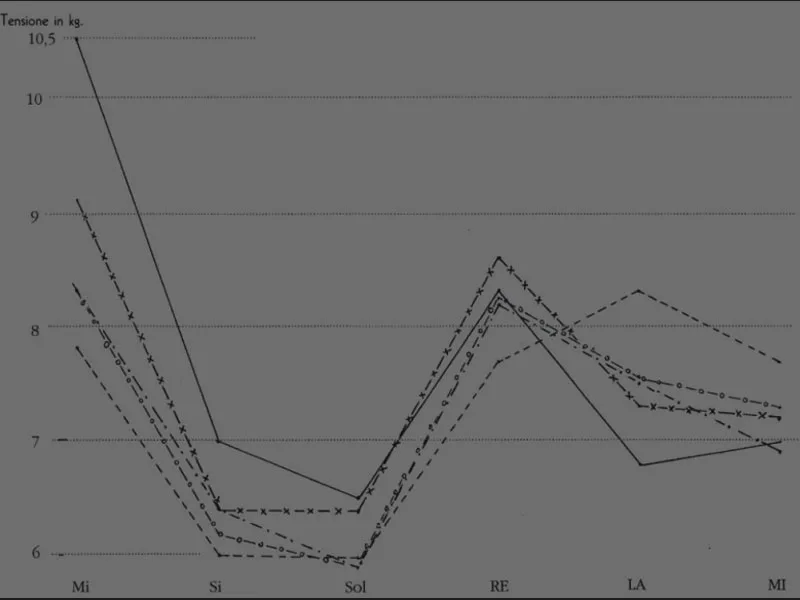
Mimmo Peruffo distinguishes equal tension, equal feel and scaled tension in historical setups of lute, viol and violin and shows why theoretical equal tension is an interpretive error.
Imaginary dialogue by Mimmo Peruffo between a 16th-century Venetian luthier and a Roman musician on the "Divine Rule" of vibrating lengths and the culture of gut strings.
History of guitar strings from the 18th century to the arrival of nylon (1947): manufacture, historical gauges, Paganini, Tarrega, Segovia and the Augustine/D'Addario invention.
Article by Daniela Gaidano on today's gut string manufacturing: how to select strings and recognise quality, in nine illustrated pages.
2002 interview with Mimmo Peruffo (Aquila Corde) on the history of guitar strings, Segovia and the rise of nylon, the discovery of Nylgut, and tension criteria.
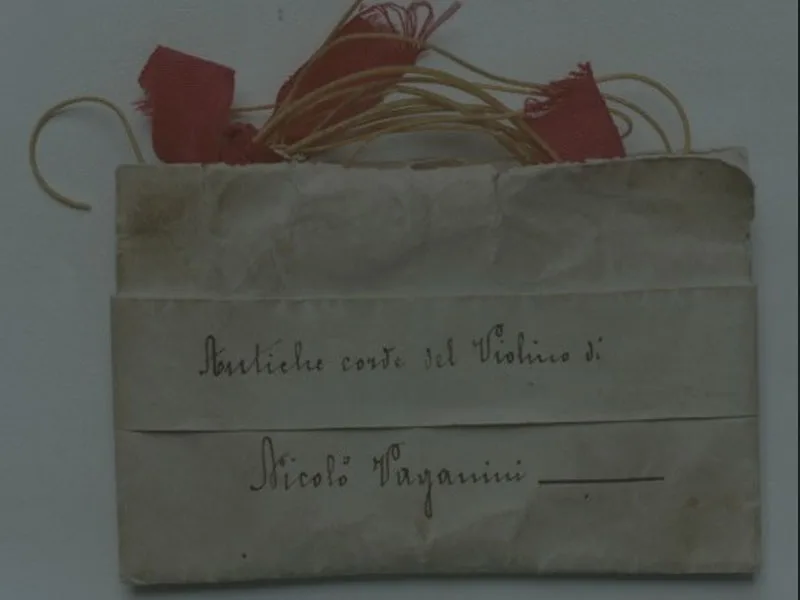
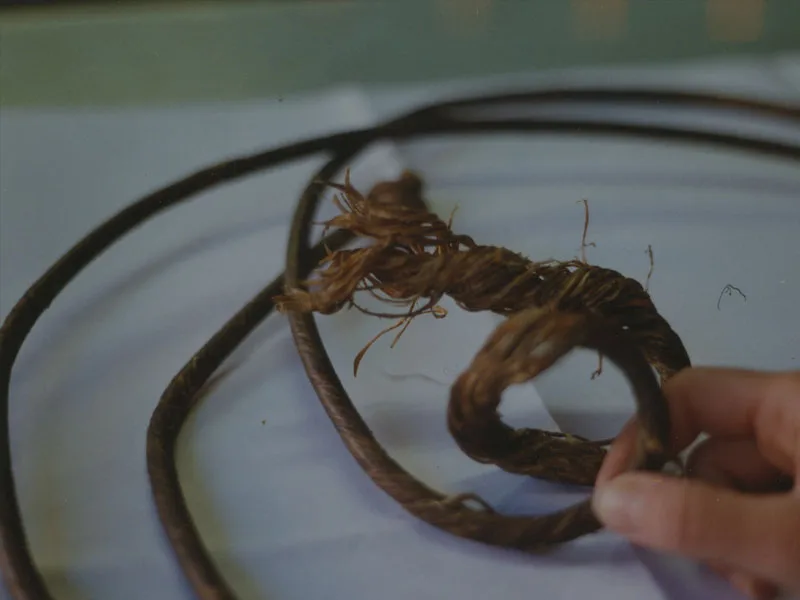
Study of the Paganini relics at Palazzo Rosso in Genoa: gauge measurements of gut strings and comparison with early 19th-century sources.
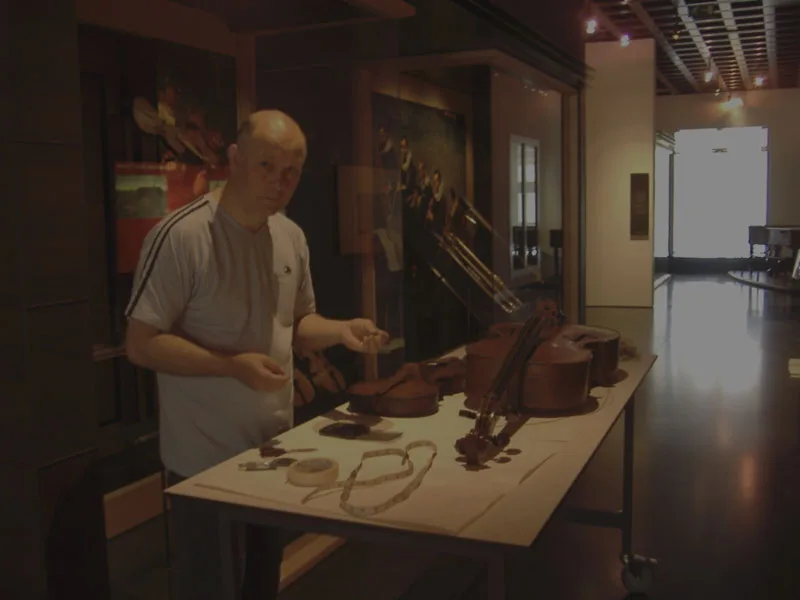
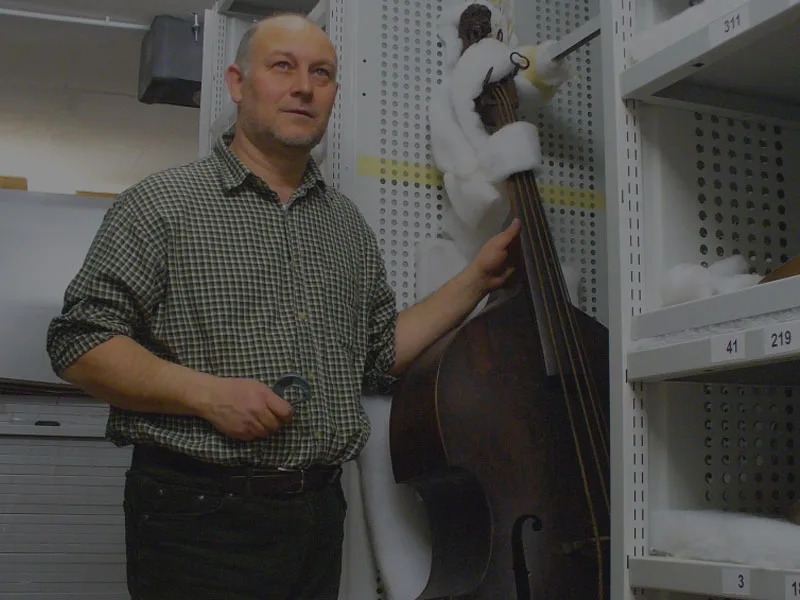
Aquila Corde Armoniche rebuilds for the Musée de la Musique in Paris the three plain gut strings of Vuillaume’s 1850 Octobass, up to 8 mm in diameter.
Aquila Corde Armoniche designs the first modern string set for luthier Dmitry Badiarov's Cello da Spalla (2006), later adopted by Sigiswald Kuijken.
Classical guitar strings never share equal tension: physical explanation of the scaled tension and the compensation process used by stringmakers.
History of wound strings for bowed instruments (17th-19th century), historical types (close, double, demifilée) and construction criteria adopted by Aquila Corde Armoniche.
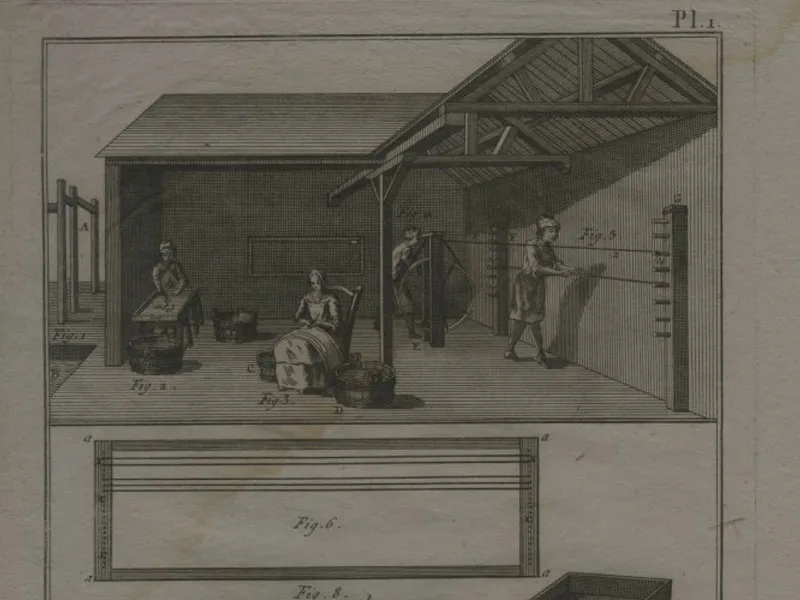
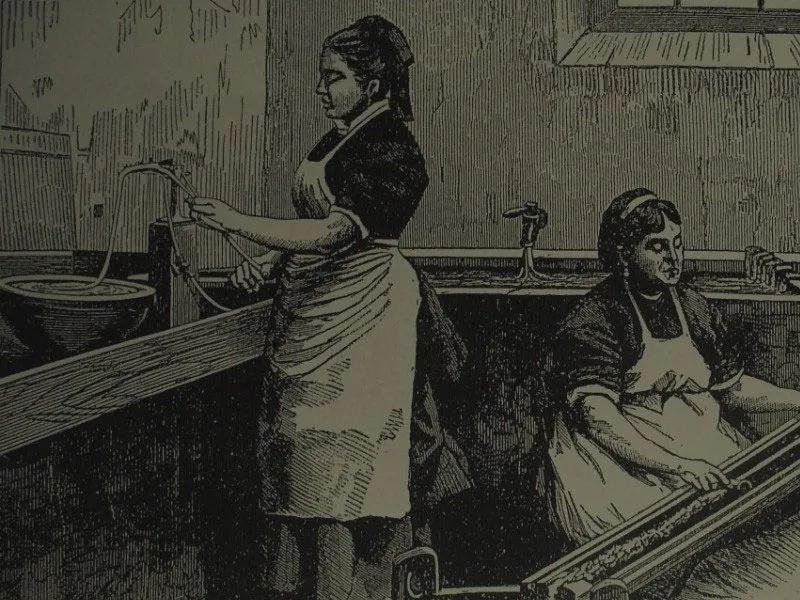
Iconographic gallery of historical documents on gut stringmaking: Weigel 1698, Skippon, Diderot & D'Alembert and late 19th-century plates.
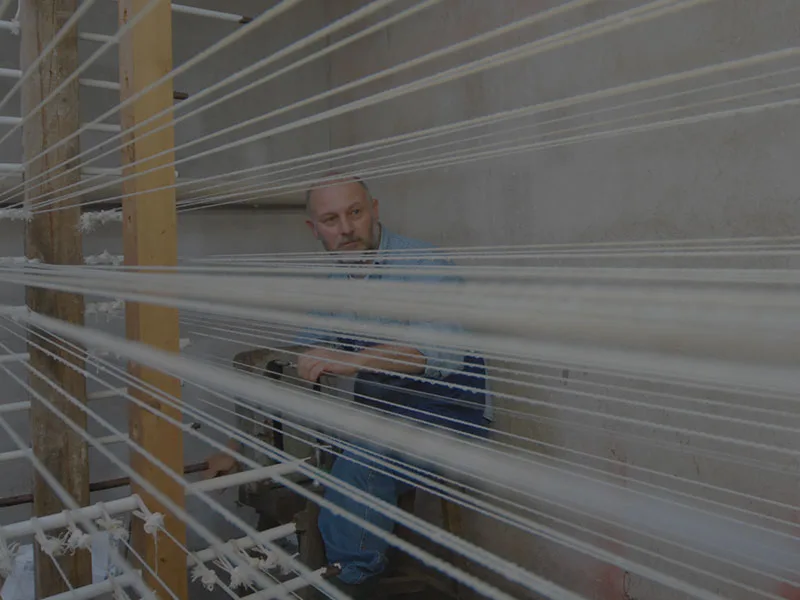
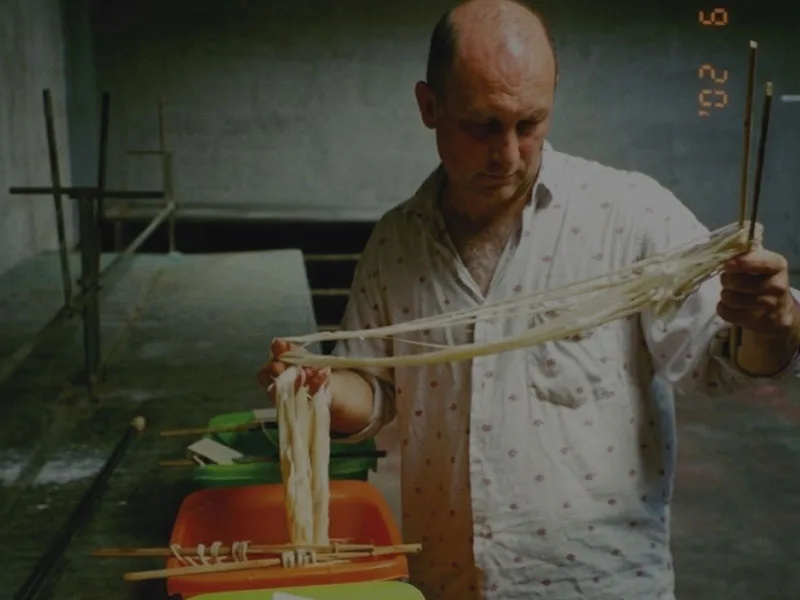
Field research by Mimmo Peruffo and Daniela Gaidano (2006-2010) among the last Abruzzo stringmakers of Salle, Musellaro and Bolognano to save the historical method.
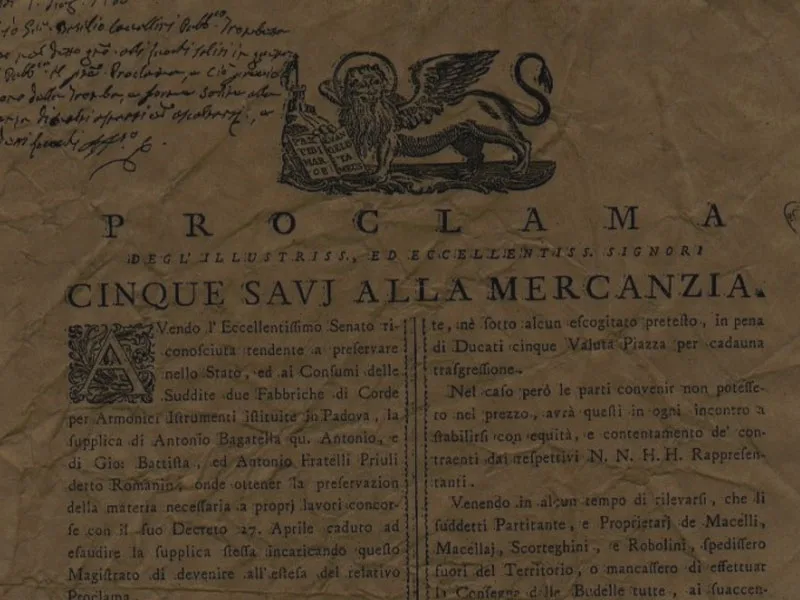
Documented chronology of the Paduan string workshop "Priuli detto Romanin" (1613-1911), from its founding to the Callegari family, based on notarial deeds and archival research.
Video collection on historical gut string manufacturing documented by Aquila Corde Armoniche with the last stringmakers of Abruzzo and Naples.
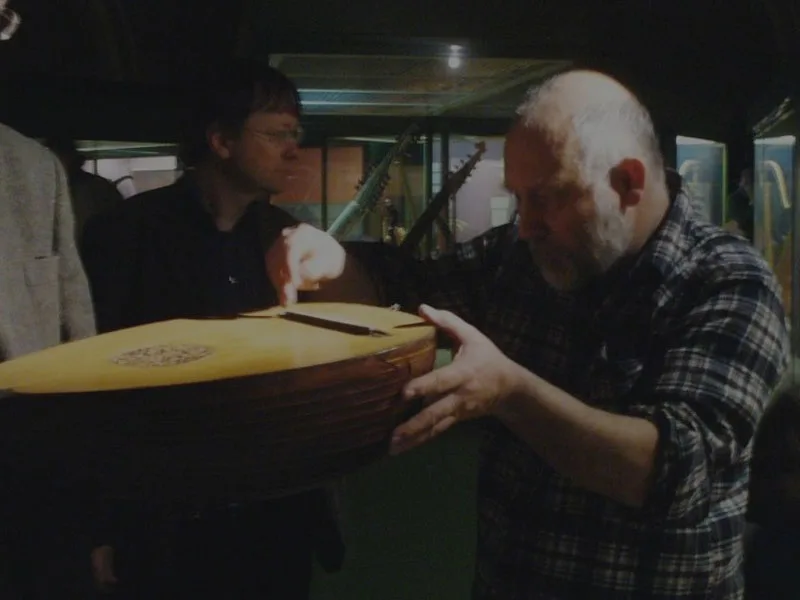
Photographic survey of historic lute bridges and bass string holes at the Musical Instruments Museum in Brussels (2004 and 2006 sessions).
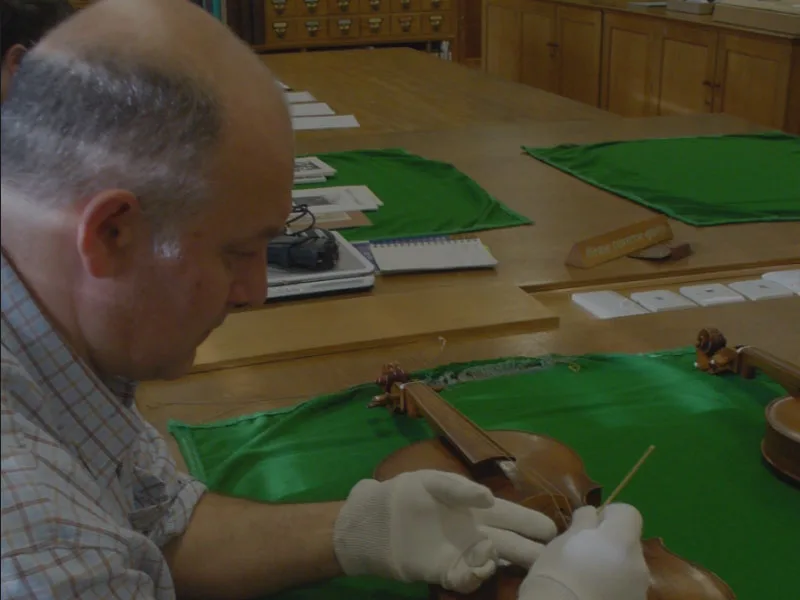
Photographic survey at the Innsbruck Ferdinandeum of rare complete historical gut string setups for double bass (Museum Old String Database, 2007).
Photographic survey of historic lute bridges and bass string holes at the Germanisches Nationalmuseum in Nuremberg (Museum Old String Database, 2008).
Photographic survey of bass string holes in the tailpieces of historic bowed instruments at the Ashmolean Museum in Oxford (Museum Old String Database, 2008).
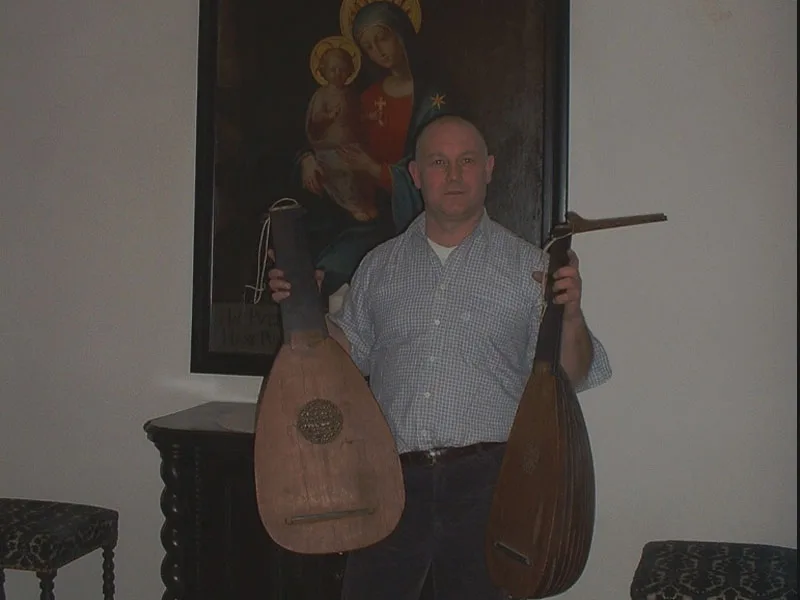
First images ever published of the historic lute collection at Kremsmünster Abbey near Linz: bridge-hole measurements for bass strings (January 2005).
Photographic survey of historic lute bridges and bass string holes at the Victoria & Albert Museum in London (Museum Old String Database, 2010).
Photographic survey of historic lute bridges and bass string holes at the Kunsthistorisches Museum in Vienna (surveys from 1993 and 2005).
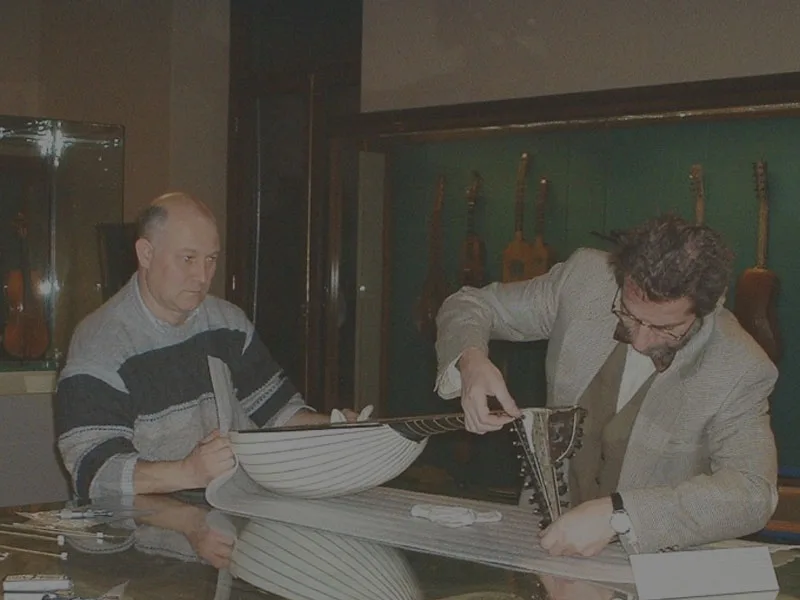
Four photographic surveys (2006–2008) at the National Museum of Musical Instruments in Rome: bass string-hole measurements and census of lutes and bowed instruments.
Photographic gallery of the old string collection gathered by Aquila Corde Armoniche: original string fragments and packages for philological research.
Mimmo Peruffo proves 16th–17th-century lute basses (Catlines, Lyons, Pistoys) were loaded gut with heavy-metal salts, not rope-twist construction.
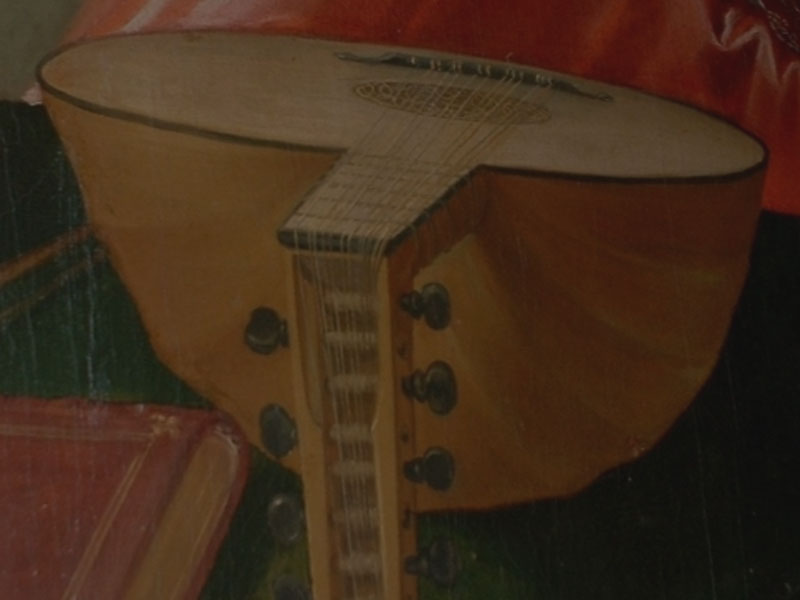
Analysis of the 18th-century 4-course Neapolitan and 6-course mandolin setups according to Fouchetti and Corrette: gut, brass, demifilée and wound basses.
Mimmo Peruffo's critical notes on Charles Besnainou's Comm 2129 published in FOMRHI Q 149 (April 2020) on historical musical strings.
An unpublished essay by Mimmo Peruffo on metal-strung theorbos and chitarroni in 17th-century Italy, examining the Praetorius and Piccinini sources, the physics of metal wire, and bridge-hole evidence from surviving instruments.
Mimmo Peruffo's essay on the gut-stringmakers of Naples and Abruzzo, alongside Rome and Padua, between the 18th and 19th centuries: historical manufacturing technique, production centres, quality criteria and string gauges.
Mimmo Peruffo’s 1997 Orfeo essay on gut-string manufacture from the Middle Ages to the eighteenth century: the four technological ages, from loaded gut to wound basses, and the philological problem of modern strings in early repertoire.
A short update note by Mimmo Peruffo on lute top gut strings: historical sources on Rome and Munich, breaking load, and a new generation of strings with a breaking index of 310-320 Hz · m.
Mimmo Peruffo recounts the discovery and study of the surviving demifilée bass-string fragments on Raphael Mëst’s Baroque lute in Linköping, and the faithful copy donated to the Swedish library.